
Consumer Technology

The Times Real Estate

.

Trending

Safety Certified I/O Module And Its Importance In Industrial Automation

As machinery becomes more advanced and processes become more interconnected, the need for reliable control components becomes es...

How Data Warehouses Work & Drive Business Insights

Understanding how data warehouses function has become essential for businesses looking to make sense of their ever-growing mount...

Electronic Design Companies: Innovation Through Technology

Modern industries depend on advanced electronics to power everything from communication systems and automation to medical equipm...

I/O Controller: The Core of Modern Automation and Industrial Efficiency

In today’s era of advanced automation, precision control, and interconnected systems, the I/O controller stands as one of the mo...

WYBOT, one of the world’s most advanced robotic pool cleaners

Summer is about to get easier for Australian pool owners, with WYBOT, one of the world’s most advanced robotic pool cleaners, ra...

Why Choose Professional Services for Security Camera Installation Geelong

Whether it's a residential area, commercial facility, or industrial complex, security concerns are at an all-time high. With the...

Understanding the Role of an I/O Controller in Modern Computing

In the world of computer systems, countless components work together to ensure a smooth flow of data and efficient performance. ...

Narwal Launches Freo Z Ultra: Redefining Home Cleaning with Next-Gen AI Robot

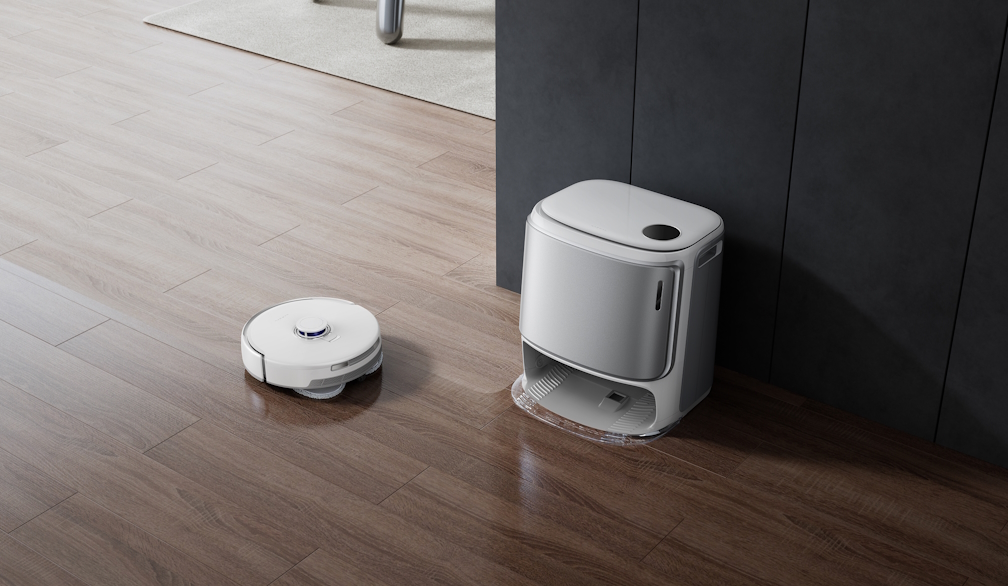
Narwal, a leading innovator in home robotics continues to push boundaries with the introduction of its latest innovation, the ...


In the intricate dance of data within a computer system, the spotlight often shines on the CPU, the RAM, and the storage drives. However, there's an unsung hero working tirelessly behind the scenes: the I/O controller. Without this critical piece of hardware, our computers would be islands, unable to interact with peripherals like keyboards, mice, printers, or network devices.

So, what exactly is an I/O controller, and why is it so essential? Let's delve into its functions and explore its significance in modern computing.

At its core, an I/O controller acts as an intermediary, managing the flow of data between the central processing unit (CPU) and peripheral devices. It translates the CPU's commands into signals that peripherals understand and converts the data received from these devices into a format the CPU can process. Think of it as a skilled translator, bridging the gap between two different languages.

To understand its role better, consider the example of a keyboard. When you press a key, the keyboard generates a signal. This signal is sent to the I/O controller, which interprets it and transmits the corresponding data to the CPU. The CPU then processes this data, and the result is displayed on the monitor, another peripheral device managed by an I/O controller.

The I/O controller is not a single entity; it encompasses various components that handle different types of input and output operations. These components are often integrated into the motherboard's chipset. Some common types of I/O controllers include:

  • Serial Controllers: These manage serial communication, used by devices like modems and older mice. They transmit data bit by bit, sequentially.
  • Parallel Controllers: They handle parallel communication, transmitting multiple bits of data simultaneously. Historically, they were used for printers, but their use has declined with the rise of USB.
  • USB Controllers: The Universal Serial Bus (USB) controller is arguably the most versatile I/O controller. It handles a wide range of devices, from keyboards and mice to external hard drives and cameras. USB has become the standard for connecting peripherals due to its speed, flexibility, and ease of use.
  • Storage Controllers: These manage storage devices like hard drives and solid-state drives (SSDs). They handle data transfer between the CPU and these storage devices, ensuring efficient storage and retrieval of information. Common storage controller interfaces include SATA and NVMe.
  • Network Controllers: These manage network communication, allowing the computer to connect to a network. Ethernet controllers, for example, handle wired network connections, while Wi-Fi controllers handle wireless connections.
  • Display Controllers: These are responsible for generating the signals that drive the monitor, enabling the display of images and text. Modern display controllers are often integrated into the graphics processing unit (GPU).

The I/O controller's role extends beyond simply transferring data. It also manages interrupts, which are signals that alert the CPU to events requiring immediate attention. When a peripheral device needs to communicate with the CPU, it sends an interrupt signal to the I/O controller. The controller then forwards this signal to the CPU, which suspends its current task to handle the interrupt. This interrupt-driven approach ensures that the CPU can respond quickly to events from peripheral devices, improving system responsiveness.

Furthermore, I/O controllers often employ Direct Memory Access (DMA), a technique that allows peripheral devices to access system memory directly, without involving the CPU. This significantly reduces the CPU's workload, improving overall system performance. For example, when transferring a large file from a hard drive to RAM, the storage controller can use DMA to transfer the data directly, freeing up the CPU for other tasks.

The evolution of I/O controllers has been closely tied to the advancements in computing technology. As computers have become more powerful and complex, I/O controllers have also evolved to handle the increasing demands of faster data transfer rates and more sophisticated peripherals. The shift from parallel to serial communication, the rise of USB, and the development of high-speed storage interfaces like NVMe are all testaments to this evolution.

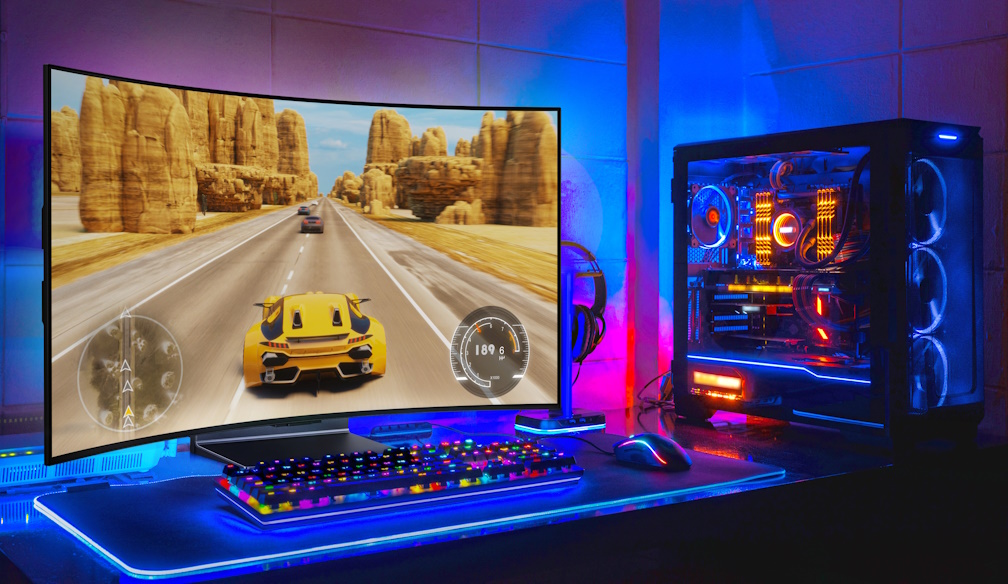
In the realm of modern computing, the I/O controller’s performance is a major factor in the overall speed and efficiency of a system. A slow or inefficient I/O controller can create bottlenecks, hindering the performance of even the most powerful CPU. This is particularly relevant in data-intensive applications like video editing, gaming, and scientific simulations, where fast data transfer is crucial.

In conclusion, the I/O controller is a vital component of any computer system, acting as the bridge between the CPU and the peripheral devices that enable us to interact with our machines. Its role in managing data transfer, interrupts, and DMA is essential for ensuring smooth and efficient operation. While often overlooked, the I/O controller plays a crucial role in the seamless functioning of our digital world. The continuous advancement of I/O technology will continue to be a primary driver of improved speed and efficiency in all computing applications.